Gyeongju does not keep its history behind a single gate. Royal tombs rise in green mounds near ordinary streets, temple roofs sit against the hills, and old stone landmarks appear in the middle of a day’s walk. The city was the capital of the Silla kingdom for centuries, and its past is part of its present-day layout.
That breadth can make a first visit feel ambitious. The most satisfying approach is not to race between every site, but to choose a few landmarks and leave room for the city’s quieter transitions: a path between tumuli, a pond at dusk, a line of tiled roofs seen from a bus window.
Begin with the City’s Scale
Many major places in Gyeongju lie within or close to the urban area. The historic core has a spacious quality, with parks and open ground giving monuments room to stand apart. It makes the city feel different from a museum district. History is not confined to an interior; it shapes the routes between cafés, shops and neighbourhoods.
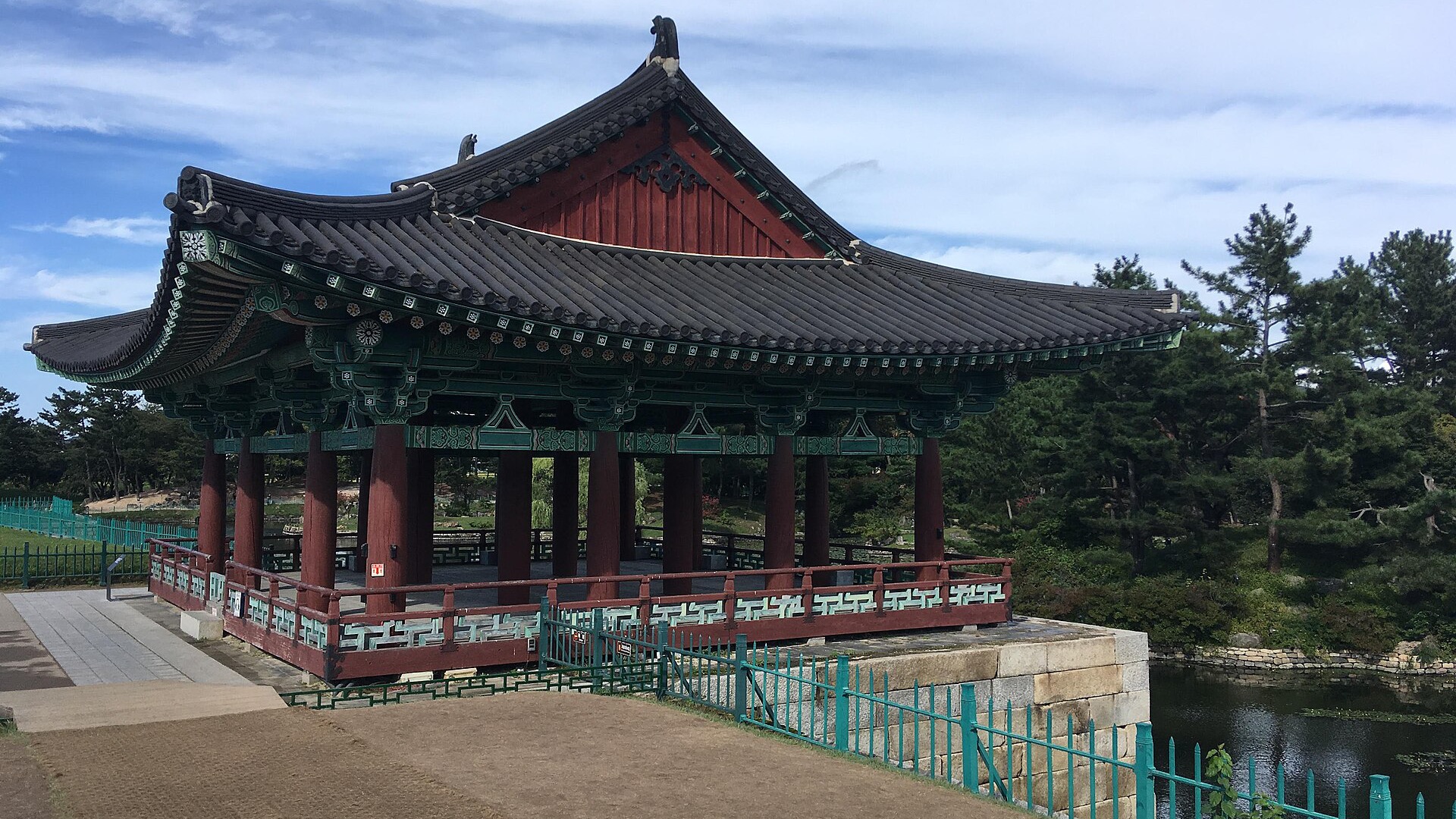
Donggung Palace and Wolji Pond, once part of a Silla royal complex, shows this relationship particularly well. Its reconstructed pavilions and pond are widely photographed, but their placement also makes the water and surrounding trees part of the experience.
Cheomseongdae and the Open Ground
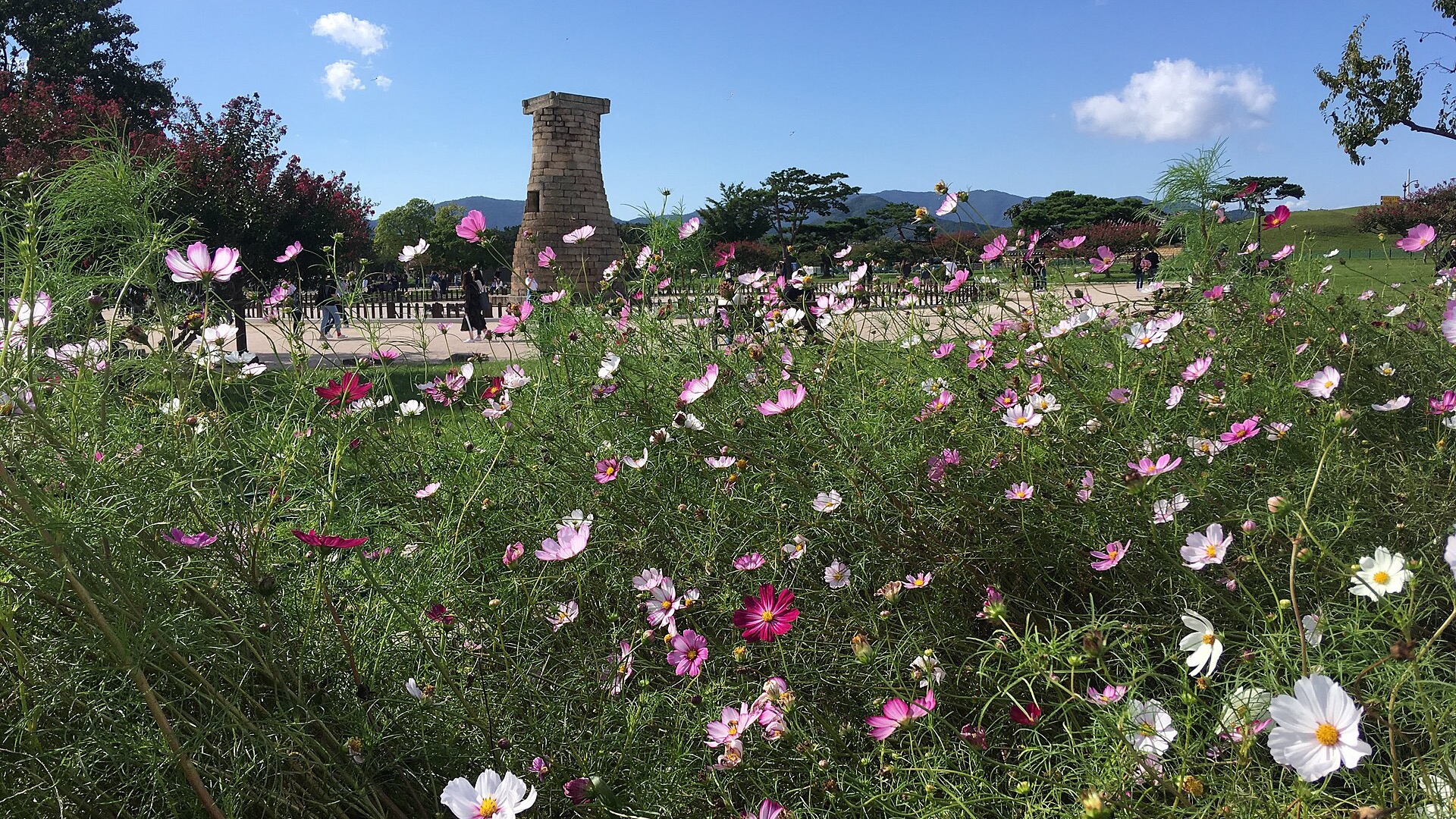
Cheomseongdae is one of the city’s most familiar silhouettes: a small stone observatory from the Silla period, standing alone on open grass. Its scale is modest compared with many historic monuments, which is part of why it remains memorable.
The surrounding area changes with the season. Flowers, trees and visitors can alter the frame, but the tower itself keeps the attention on material and form—the stacked stones, the narrowing profile and the calm of a structure that has outlasted the city around it.
Temple Country
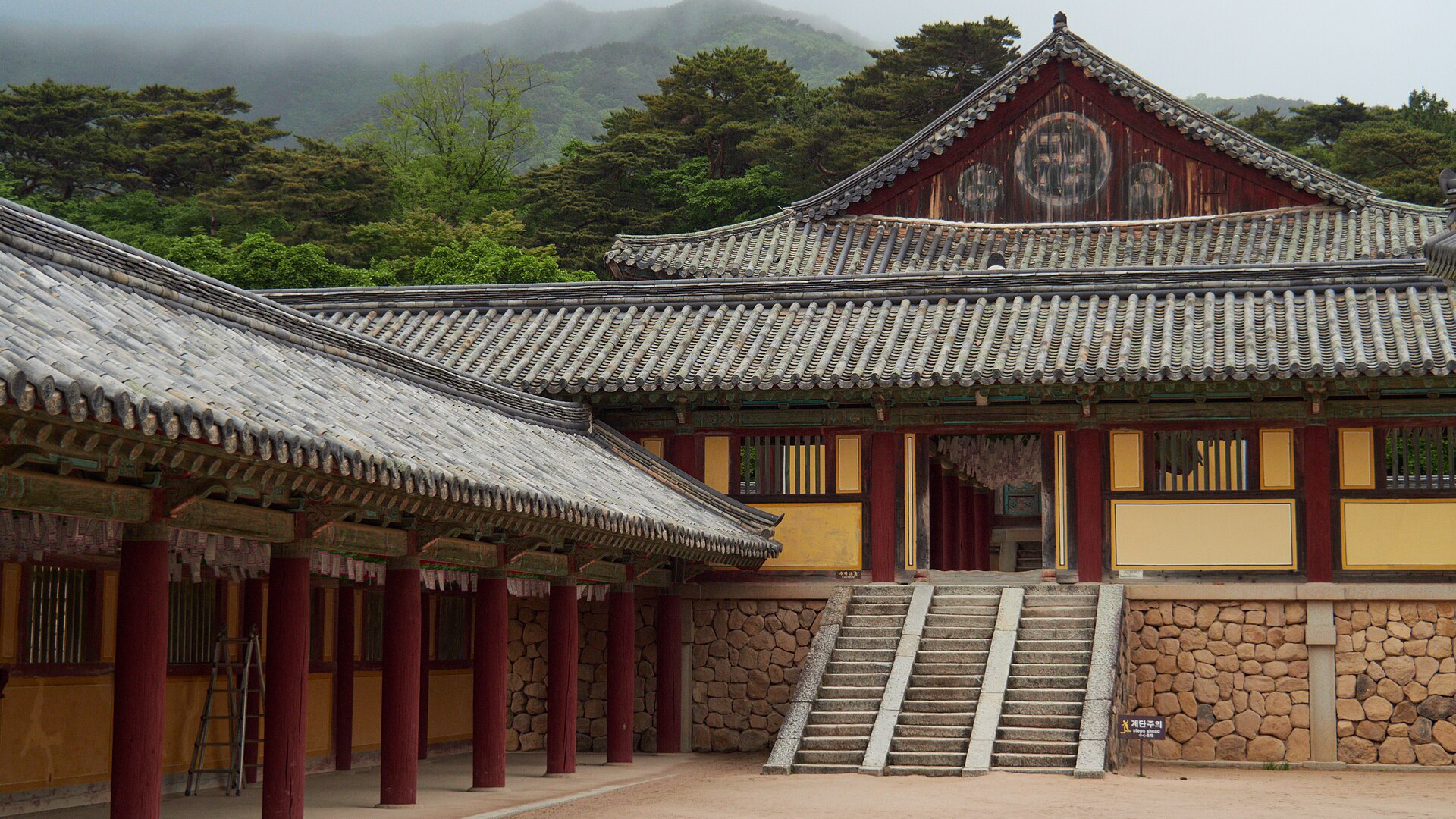
Gyeongju extends beyond its central landmarks. Bulguksa, set on the slopes of Tohamsan, is among the city’s essential temple sites. Its stairways, bridges, courtyards and rooflines require more time than a quick circuit allows.
Temple etiquette and access arrangements can vary, so observe posted guidance, move carefully around worship areas and avoid treating religious spaces as mere scenery. The architectural details are compelling, but their setting and use matter too.
How to Shape a Visit
Gyeongju rewards a layered itinerary: a daytime walk through the central historic areas, an unhurried temple visit, then an evening return to the pond when the light changes. Timetables, admission and transport can change, so current details should be checked before travel.
More than a collection of sights, Gyeongju is a city where the distances between landmarks tell part of the story. Leave a little time for those intervals.