Seoul’s subway system can look complicated at first, but it is one of the easiest ways to move around the city once you understand the basics.
Stations are numbered, many signs include English, and major tourist areas are well connected by subway.
For a first trip to Seoul, learning how to use a transport card, follow line colours and check exit numbers makes getting around much easier.
This guide covers the essentials you need before your first subway ride.
Getting Started with the Seoul Subway
The Seoul subway network covers a large part of the city and extends into the surrounding metropolitan area.
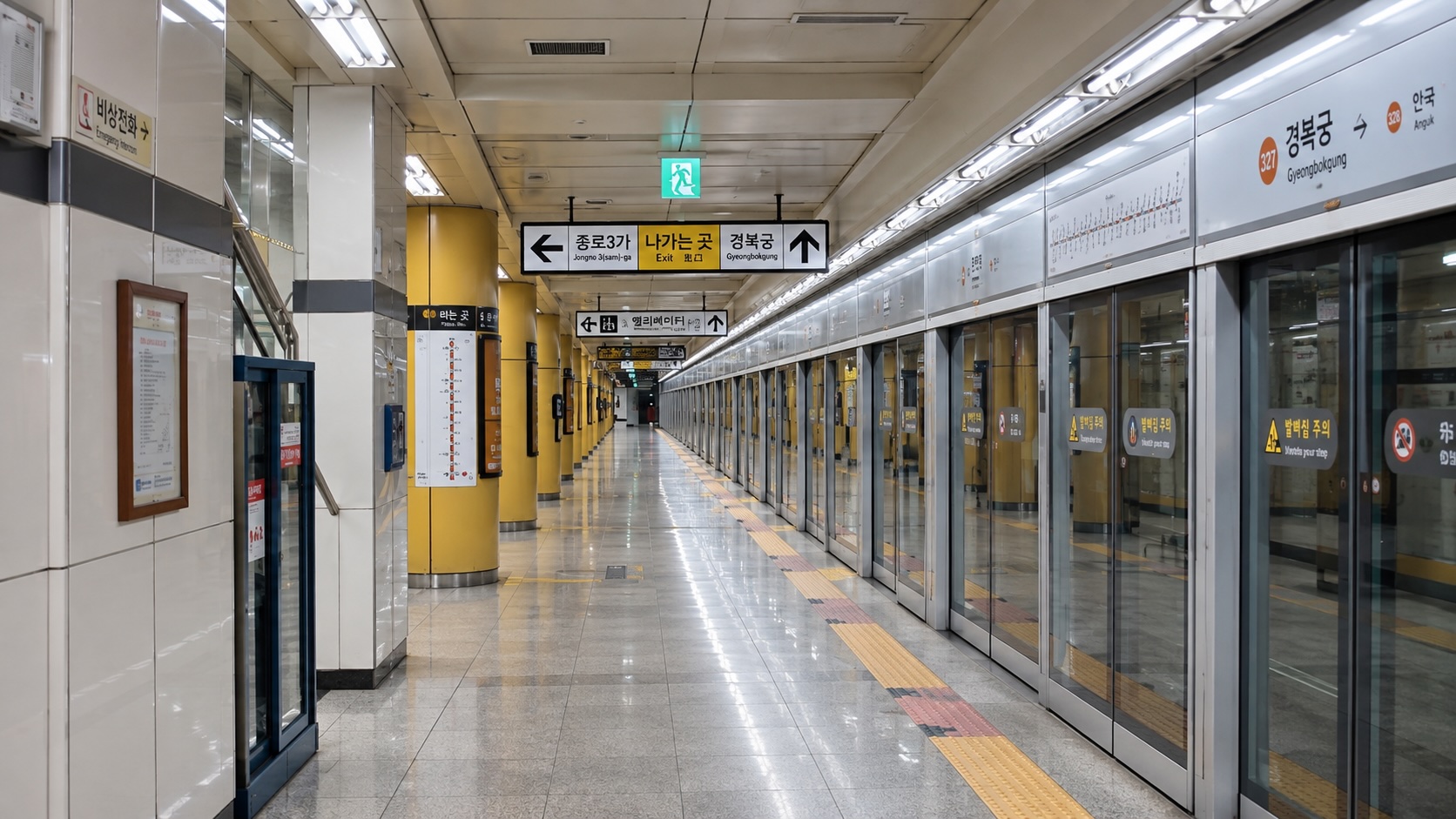
Each subway line has its own colour and number, while individual stations also have station numbers.
This makes it easier to follow a route even if you do not read Korean.
English is commonly used on station signs, ticket machines and many onboard announcements.
For first-time visitors, the most useful things to remember are the line number, direction of travel, transfer station and exit number for your destination.
Using a T-money Card
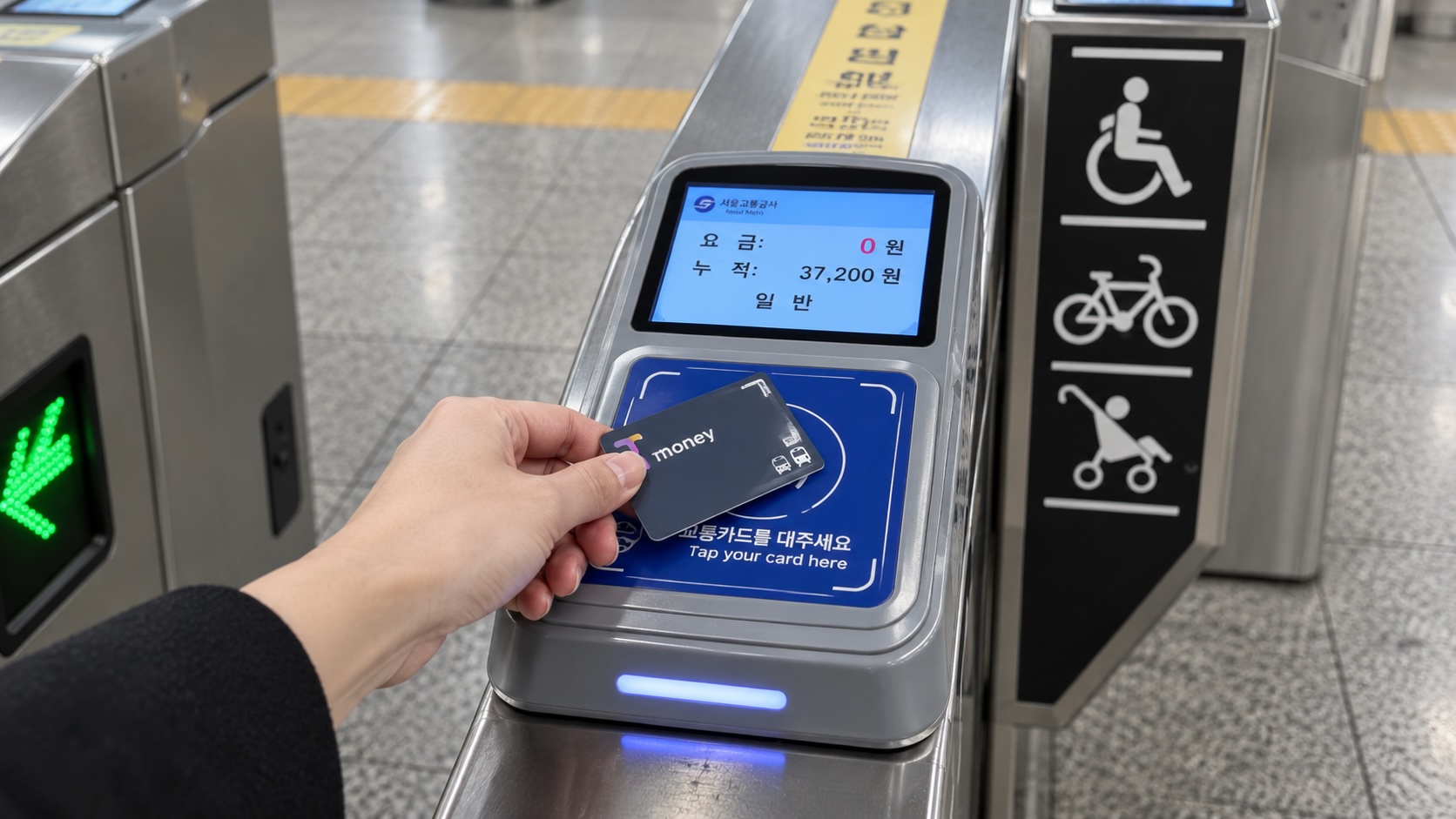
A T-money card is one of the simplest ways to pay for public transport in Seoul.
It can be used on the subway and on many buses, allowing you to tap in and out without buying a separate ticket for every journey.
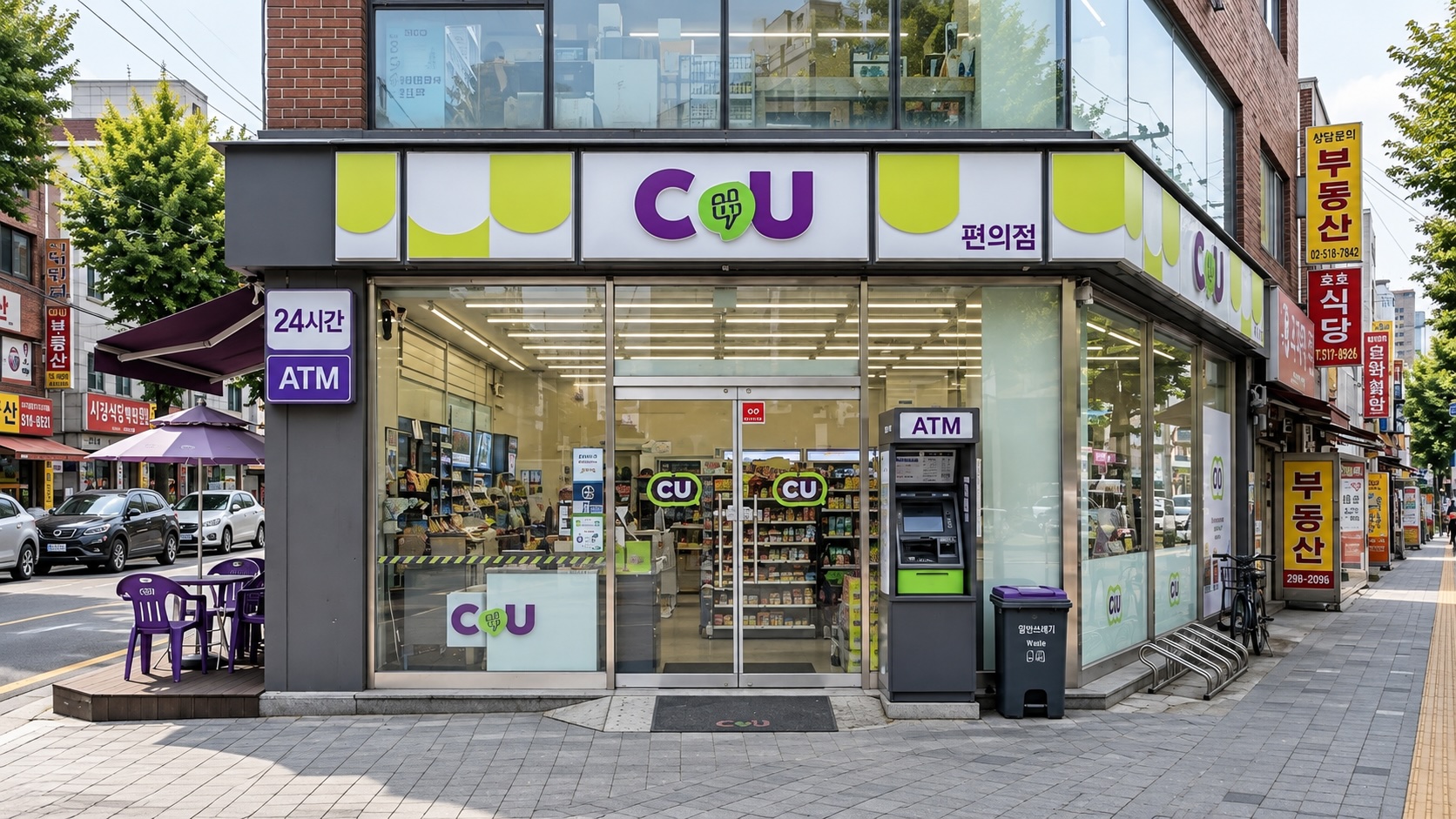
T-money cards are commonly available from convenience stores and selected subway locations.
After buying the card, add enough balance before travelling.
At the subway gate, tap the card on the reader when entering the station and tap it again when leaving. The fare is calculated automatically.
Entering and Leaving the Subway
When entering a station, look for the ticket gates and tap your transport card on the reader.
After passing through the gate, follow the signs for your subway line and direction.
At your destination, tap the same card again when exiting.
Many Seoul stations have multiple exits.
Before leaving the station, check which exit number is closest to your destination. Choosing the correct exit can save a surprisingly long walk at larger stations.
Understanding Station Signs
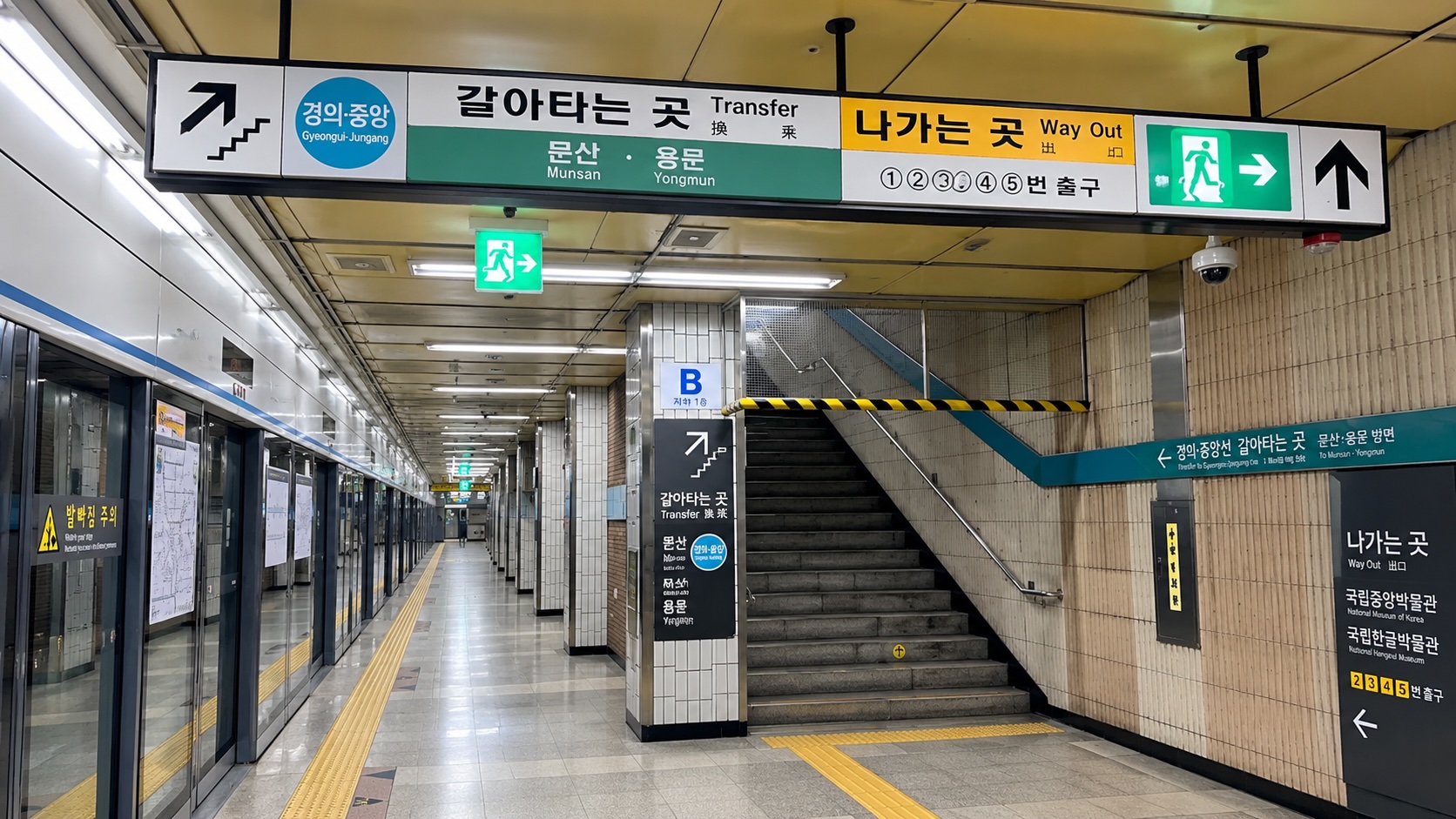
Seoul subway signs usually combine Korean and English with line colours, station names, numbers and arrows.
Transfer signs show where to change from one subway line to another.
Exit signs are normally marked with numbered exits.
When following a route, pay attention to:
- Line number or line colour
- Station name
- Station number
- Direction of travel
- Transfer signs
- Exit number
How Transfers Work
Some journeys require changing subway lines.
When you arrive at a transfer station, do not leave through the ticket gates.
Instead, follow the signs marked Transfer and the colour or number of the line you need next.
Large transfer stations can involve long corridors, escalators or stairs, so allow a little extra time.
The route remains inside the paid subway area.
Choosing the Right Direction
Before boarding, check the direction of travel carefully.
Platform signs usually show the next station or the terminal direction for the line.
A simple way to avoid mistakes is to check the station immediately after your current station on your route.
If that station appears in the direction shown on the platform sign, you are heading the right way.
Subway Apps and Navigation
A navigation app can make using the Seoul subway significantly easier.
Useful route planners can show:
- Which subway line to take
- Where to transfer
- Approximate journey time
- Station numbers
- Exit information
Rush Hour
The Seoul subway can become very busy during weekday commuting periods.
If your schedule is flexible, travelling outside the busiest morning and evening periods can make journeys more comfortable.
At crowded stations, let passengers leave the train before boarding and follow platform markings where provided.
Accessibility and Luggage
Many Seoul subway stations include elevators, escalators and accessible routes, but station layouts vary.
Travellers with large luggage should allow extra time, especially at major interchange stations.
Look for elevator and accessibility signs rather than assuming every staircase has an escalator beside it.
Useful Subway Tips for a First Trip
- Check your route before entering the station.
- Remember the number of the exit closest to your destination.
- Keep enough balance on your transport card.
- Tap your card when both entering and leaving the subway.
- Follow line colours and station numbers as well as station names.
- At transfer stations, follow Transfer signs rather than leaving through the exit gates.
- Allow extra time at large interchange stations.
A Simple First Subway Journey
For your first ride, keep things simple.
Choose a direct route if possible, check the subway line and direction before entering, and note the exit number you need at your destination.
Once you have completed one or two journeys, the combination of line colours, station numbers and English signs becomes much easier to understand.
The subway quickly becomes one of the most practical ways to explore Seoul.
Practical Information
Transport:
Seoul Metropolitan Subway
Payment:
T-money and other supported transport payment options
Navigation:
Follow line numbers, colours, station numbers and English-language signs
Transfers:
Follow Transfer signs without leaving the paid area
Exits:
Check the numbered exit closest to your destination before leaving the station
Important:
Fares, payment options and transport policies can change, so check current official
Seoul transport information before travelling.